
Aviator Cash-Out Timing and the Server
Aviator is a crash game by Spribe in which an increasing multiplier can stop at any time. A player places a stake, watches the multiplier rise, and tries to cash out before the round crashes.
The important timing point is that a pressed button sends a cash-out request. The bet settles only when the server receives and accepts that request before the crash, so the screen and the settled result can differ for a short time.
How The Server Sets Results
Spribe fixes the Aviator crash point before each round starts. The server publishes a SHA-256 hash of its seed before the round, then combines that seed with client seeds from players.
The result does not wait for a player to press cash-out. The multiplier follows the fixed crash point, while cash-out requests travel from a device to the server during the round.
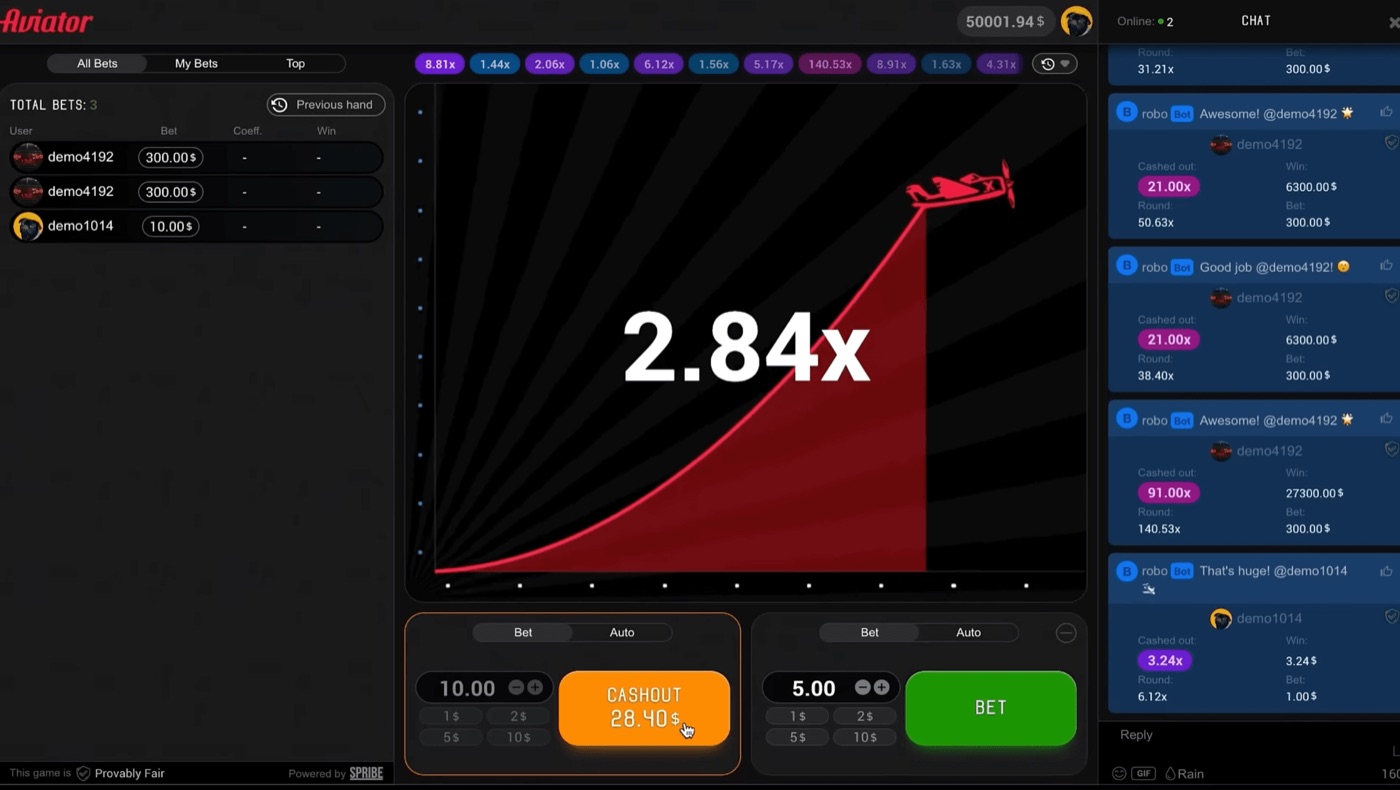
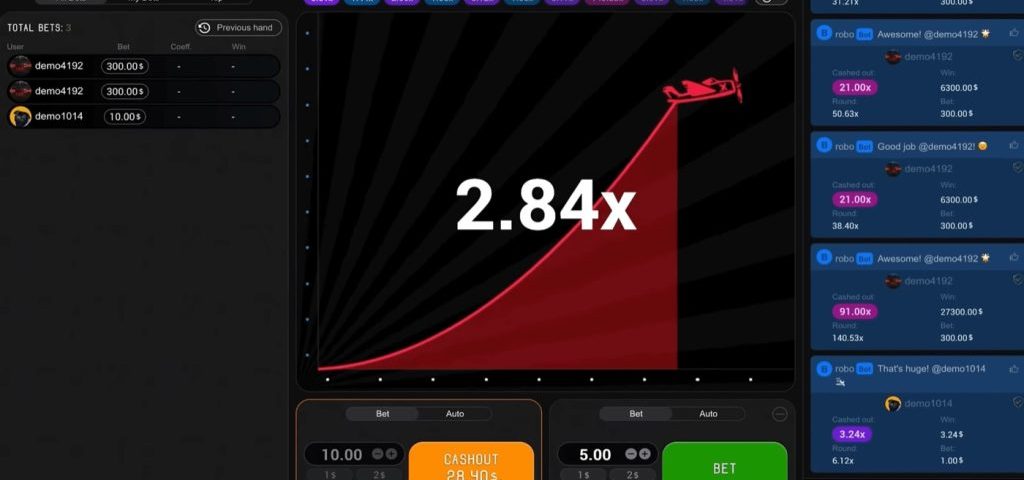
The Aviator interface shows live bets, chat and a cash-out at 28.40.
- The server prepares the round and publishes the server-seed hash.
- The game combines the server seed with player client seeds.
- The crash point becomes fixed before the multiplier rises.
- A player presses manual cash-out or uses an automatic rule.
- The request travels to the server for processing.
- The server accepts the request only if it arrives before the crash.
After the round, the inputs become visible and players can check them with the verification tool inside the game. Neither the operator nor Spribe can change the result after the round starts.
This explains why a cash-out request cannot move the crash point. The request can affect whether a particular bet settles before the crash, but it cannot alter the already fixed result.
Manual Cash-Out Timing
Aviator manual cash-out uses the Bet tab and a visible cash-out control. A manual request depends on the player action, the device, the connection, and the server receiving the request.
The displayed multiplier is not the same thing as a settled bet. The game must receive and process the request before the fixed crash point, even when the player has already seen the button press on the screen.
- The player taps the cash-out control.
- The device sends the request through the connection.
- The server receives the request and checks the round state.
- The server records the cash-out if the round has not crashed.
- The interface updates with the settled outcome.
A short delay can matter when a round is close to its crash point. The game rounds usually last about 8-30 seconds, with 60-90 rounds per hour and only a few seconds between rounds, so there is limited time to correct a delayed request.
A time-out therefore does not prove that the game changed a result after the tap. Guides commonly connect cash-out time-outs with latency or a slow device, while the request still had to reach the server before the crash.
A player using the aviator game should treat a manual cash-out as a request sent during a crash game, not as an instant settlement on the device.
What The Screen Shows
The interface can show the multiplier continuing to rise while a request is travelling. It can also show a delayed response after the server has already decided whether the bet arrived in time.
The live bets panel, round history, chat, and cash-out controls are interface elements. They help display activity, but they do not replace the server’s settlement record.
Auto Cash-Out Rules
Aviator provides an Auto Cash-Out setting that uses a preset multiplier. The server still determines whether the automatic request reaches settlement before the round crashes.
Auto Bet and Auto Play can run for 10-100 rounds, with stop-on-win and stop-on-loss settings. These controls automate repeated instructions, but they do not remove connection time or change the crash point.
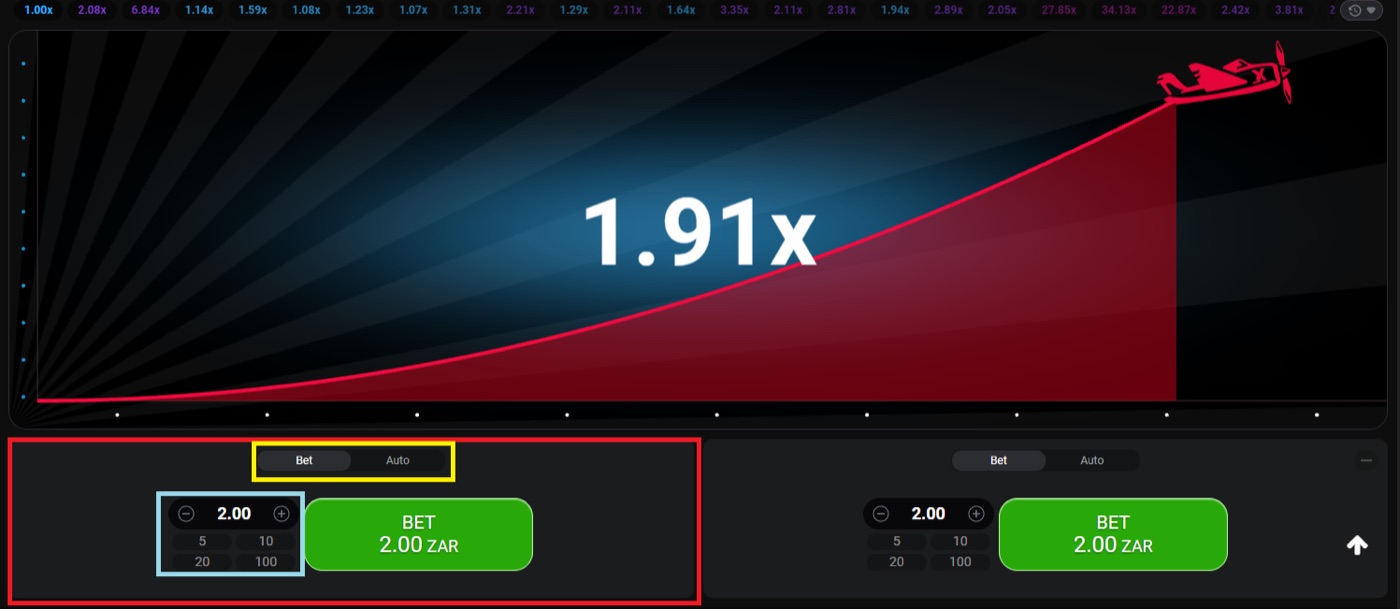
The desktop round shows a 1.91x multiplier and two separate bet panels.
- Choose the Auto tab.
- Enter a preset multiplier for Auto Cash-Out.
- Set the number of rounds when using Auto Play.
- Add stop-on-win or stop-on-loss instructions where available.
- Check the settled result rather than relying only on the moving display.
Automation changes when the game sends the instruction, not the mathematical edge. Aviator has RTP of 97% and a house edge of 3%, and the expected value remains negative 3% of the stake at every cash-out target.
The following probabilities describe how often a round reaches selected multipliers. They do not guarantee that an auto cash-out will settle if a request is delayed or if the round crashes first.
| Multiplier | Probability the round reaches it |
|---|---|
| 1.2x | 80.8% |
| 1.5x | 64.7% |
| 2x | 48.5% |
| 3x | 32.3% |
| 5x | 19.4% |
| 10x | 9.7% |
About 3% of rounds crash instantly at 1.00x, or roughly 1 in 33 rounds. Rounds are independent, so a recent sequence does not make the next automatic result more likely.
Two Bet Panels
Aviator has two bet panels per round, and each panel can use a separate cash-out. A player can therefore set different instructions for two stakes, but the panels still face the same round and server timing.
- One panel can use a lower preset multiplier.
- The second panel can use a different preset multiplier.
- Each panel has its own cash-out instruction.
- Both panels remain exposed to the round’s fixed crash point.
Request Travel And Latency
A cash-out request travels between the player’s device and the Aviator server. Latency describes the delay in that path, while a slow device can add delay before the request leaves the device.
The server can settle a request only after receiving it. If the crash occurs before arrival, the pressed control does not create a settled cash-out at the displayed multiplier.
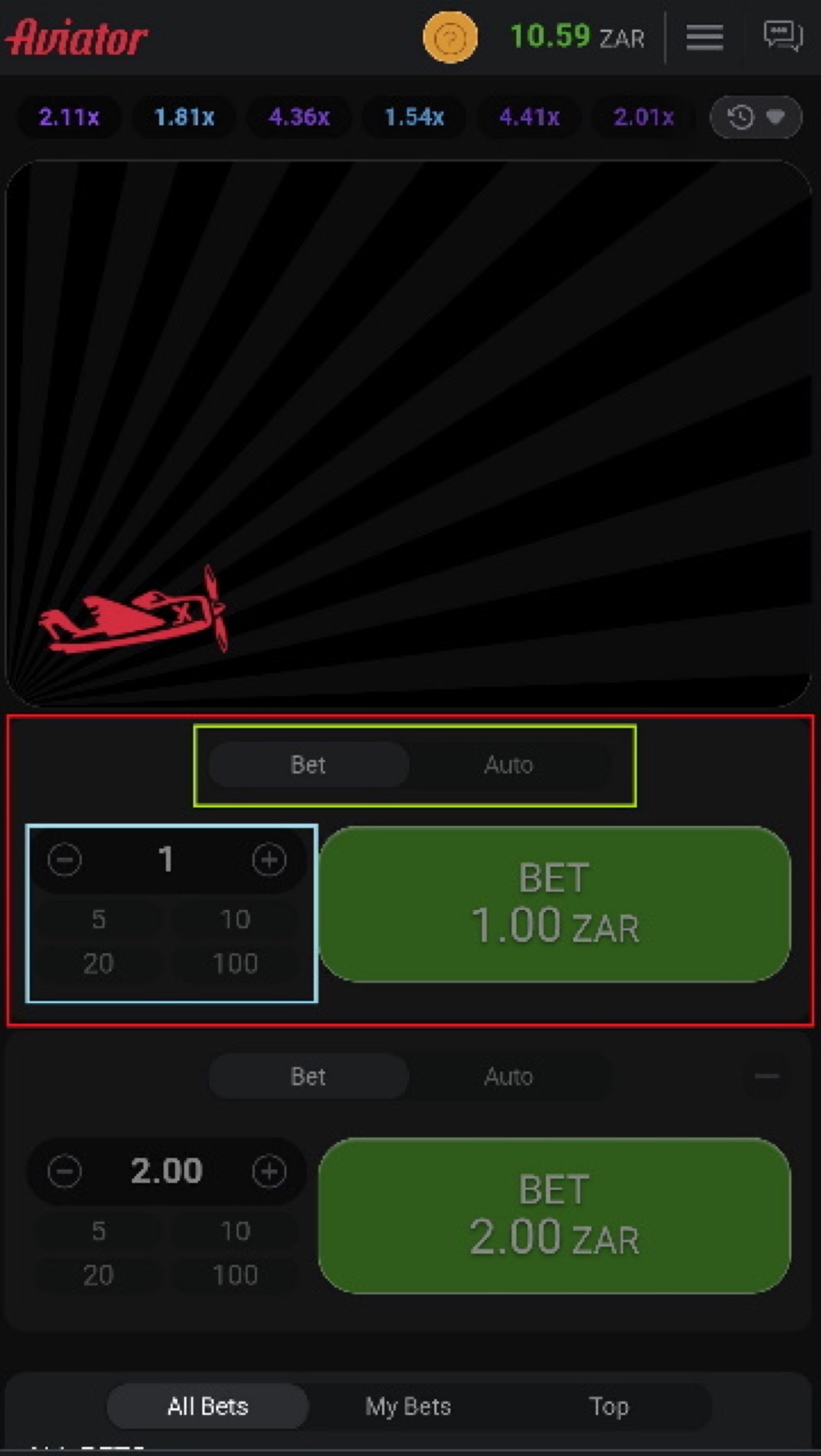
The mobile view places Aviator controls on a smaller screen.
- A weak or unstable connection can delay the request.
- A slow device can delay the tap being sent.
- A busy connection can delay the server response reaching the screen.
- A crash can occur while the request is still travelling.
- The final settlement comes from the server record.
The game’s 2.0 release was described as 40% faster, lighter for slow connections and low-end phones, and redesigned for mobile use. Those design points support access on slower devices, but they do not make every cash-out request arrive before every crash.
Aviator works in desktop, tablet, and mobile browsers and was built for low bandwidth and budget devices. A player should still distinguish between a game loading successfully and a cash-out request arriving before a particular crash.
Reading A Time-Out
A time-out means the expected cash-out settlement was not confirmed in the way the player expected. The available explanation in the supplied player guidance is latency or a slow device, with the request needing to reach the server before the crash.
Check the settled bet record and the round result rather than using the movement of the button as proof. If the interface remains unclear, the operator controls the account and betting records for that play session.
Fairness And Independent Rounds
Aviator uses a provably fair process based on a server-seed hash and client seeds. The verification tool inside the game allows the inputs to be checked after the round.
The probability that a round reaches multiplier m is 0.97 divided by m. The formula gives 48.5% at 2x, 9.7% at 10x, and 0.97% at 100x.
These figures describe the round distribution, not the timing of a cash-out request. A player can press at 2x and still fail to settle if the request reaches the server after the crash, while a request received earlier can settle at the applicable multiplier.
- A hash commits the server seed before the round.
- Client seeds join the calculation.
- The crash point is fixed before take-off.
- The round result becomes checkable after completion.
- Independent rounds do not follow a player pattern.
Patterns, graph analysis, a best time to play, and strategy charts do not change the stated odds. Playing off-peak may support a smoother connection, but it does not improve the probability of reaching a multiplier.
Aviator is a high-variance game. A player should set loss and win limits and use only an amount they can afford to lose.
Checking A Cash-Out Case
Aviator records the round multiplier and the bet outcome through the game and operator system. A player investigating a disputed cash-out needs to compare the request display with the settled record and the round result.
The two bet panels can create separate outcomes in one round. One panel may settle while another remains active or fails to settle, depending on its request timing and its selected cash-out rule.
- Note the round’s final multiplier in the history.
- Identify which bet panel sent the request.
- Check whether the panel used manual or automatic cash-out.
- Compare the displayed action with the settled bet record.
- Use the in-game fairness verification tool for the round inputs.
- Contact the operator if the account record remains unclear.
The round history shows previous multipliers at the top of the interface. It is useful for identifying a round, but previous multipliers cannot predict the next round or reconstruct a delayed request by themselves.
The operator also sets betting details that can vary, including typical stake ranges and win caps. A reported value should therefore be treated as operator-dependent unless the game information states otherwise.
Aviator FAQ
Aviator rounds last about 8-30 seconds. The server fixes the crash point before take-off and processes cash-out requests during that round.
Manual and automatic cash-outs use different player controls. Both depend on the request reaching the server before the crash.
Why did my cash-out time out?
A cash-out can time out when latency or a slow device delays the request. The request must reach the server before the crash for the bet to settle.
Does pressing cash-out settle the bet?
No. Pressing the control sends a request from the device, but the bet settles only when the server receives and accepts it before the crash.
Is auto cash-out faster than manual cash-out?
Auto Cash-Out sends an instruction at a preset multiplier instead of waiting for a manual tap. It still depends on the request reaching the server before the fixed crash point.
Can the server change the crash point?
The crash point is fixed before the round starts through the provably fair process. Neither the operator nor Spribe can change the result after the round begins.
Can a predictor know the cash-out time?
No. The crash point is committed by hash before the round, and rounds are independent. Prediction tools and pattern claims do not change the stated odds.
What should I check after a disputed cash-out?
Check the final multiplier, the relevant bet panel, the manual or automatic setting, and the settled record. The in-game verification tool can check the round inputs after completion.